Denim’s Journey: From Humble Beginnings to Global Fashion Icon
Denim is more than just fabric—it’s a global cultural symbol found in wardrobes across the world, used in everything from jeans and jackets to shirts and dresses. Yet few materials can claim a history as dynamic and wide-reaching as denim. Its story is layered with innovation, transformation, and fashion revolutions.
Origins of Denim: A Tale of Two Cities
Denim’s roots trace back to 17th-century Europe, particularly to Nîmes, France. The fabric known as “serge de Nîmes” was durable and tightly woven, designed for hard use. Its name eventually evolved into “denim,” and although originally created in France, denim’s precursor fabric—a similar tough cotton cloth known as “jean” or “jeane”—was manufactured in Genoa, Italy. Ironically, an unsuccessful attempt by Italian weavers to reproduce the French fabric gave birth to what we now recognize as denim.
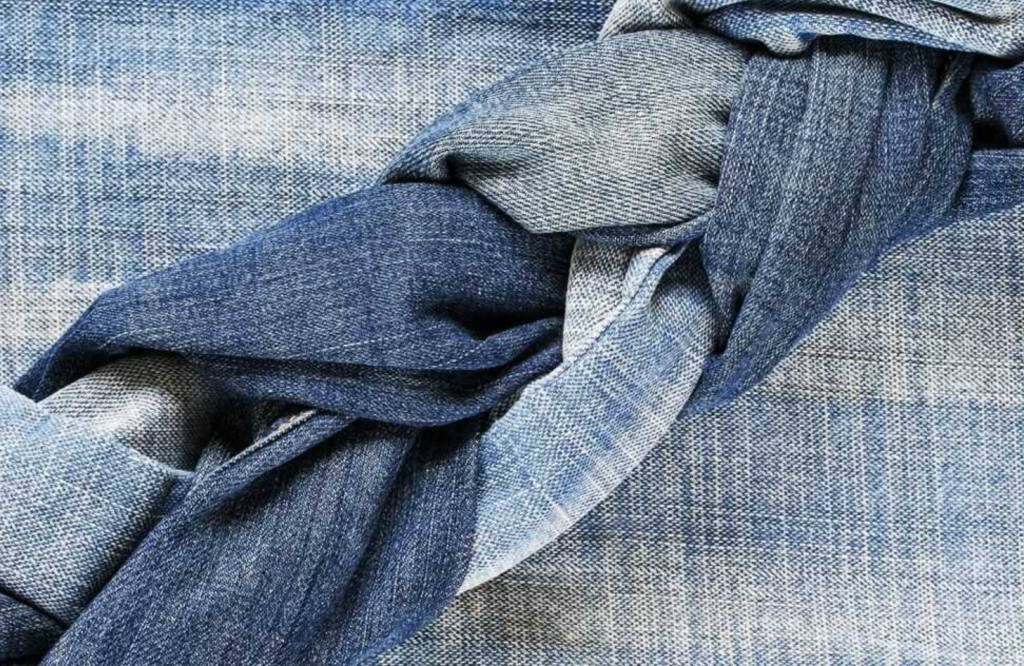
Early denim was dyed exclusively in indigo, giving rise to its signature blue hue. This color choice wasn’t just aesthetic—indigo dye adhered to fabric surfaces rather than soaking in, allowing denim to fade attractively with wear.
Levi Strauss and the Birth of the Blue Jean
Fast forward to 1853, when Levi Strauss moved to San Francisco during the California Gold Rush. He partnered with tailor Jacob W. Davis, who used Strauss’s denim and reinforced key points with copper rivets, creating pants built for labor-intensive tasks. These trousers, initially called “waist overalls,” were the first true blue jeans.
Recognizing the potential of this innovation, Strauss and Davis patented the design and launched what would become Levi Strauss & Co.—a brand now synonymous with denim. The rugged design was embraced by miners, ranchers, and railroad workers who needed clothing that could withstand daily wear and tear.
Denim as Workwear: Strength Meets Functionality
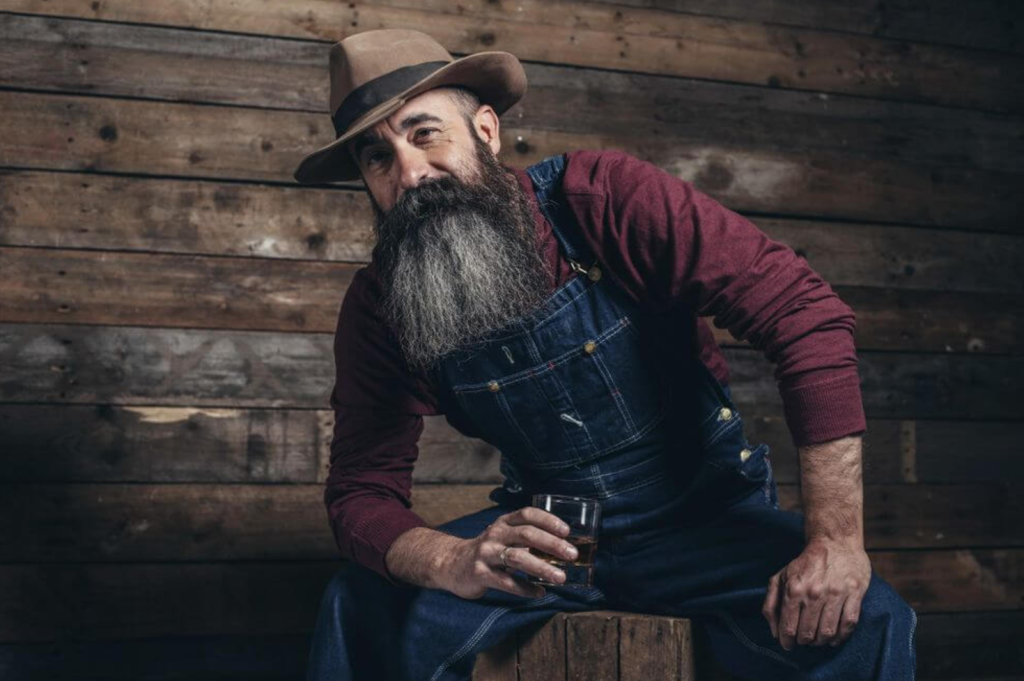
During the 19th century, denim’s role was strictly utilitarian. Its durable cotton twill weave and breathability made it the ideal fabric for workers in agriculture, mining, and railroad construction. Shirts, overalls, and trousers crafted from denim were praised for their resistance to abrasion and easy maintenance.
The Gold Rush helped solidify denim’s place in the American West, where it became synonymous with hardworking men and the mythos of the cowboy lifestyle.
From Workwear to Symbol of Rebellion
Denim remained mostly functional until the mid-20th century. After World War II, American culture experienced a seismic shift. Soldiers wore jeans while off duty, spreading the style across Europe and Asia. At the same time, U.S. vacationers began embracing the cowboy aesthetic, bringing denim home as part of their western experience.
Then came the rebels. Hollywood heartthrobs like James Dean, Marlon Brando, and Elvis Presley wore jeans on and off the screen, turning the once-practical workwear into a badge of youth rebellion. Jeans became edgy, symbolic of a defiant spirit and counter-cultural attitude.
The Denim Boom and Global Expansion
By the 1960s and 70s, jeans had moved beyond subculture and into the mainstream. Women’s fashion embraced denim, and designers began experimenting with different cuts, washes, and embellishments. Denim became a canvas for self-expression.
Jeans traveled across borders, finding popularity in Europe, Asia, and beyond. By the 1980s and 1990s, celebrities like Madonna, Michael Jackson, Brad Pitt, and Johnny Depp kept the denim flame alive. Designer brands emerged, transforming the humble jean into a luxury item.
Iconic Denim Garments
Today, jeans remain the most popular denim garment, available in an endless variety of styles: skinny, straight-leg, bootcut, high-rise, distressed, and more. Their versatility makes them a staple for all ages and lifestyles.
Beyond jeans, denim has been used in:
- Jackets: Offering ruggedness and street style.
- Shorts and Skirts: Especially popular in warmer climates and youth fashion.
- Overalls and Dungarees: Originally workwear, now vintage chic.
- Dresses and Shirts: Blending utility with elegance.

Why Denim Endures
Denim’s longevity stems from its unique blend of practicality and adaptability. Its durability makes it long-lasting, while its aesthetic evolves with every generation. Faded jeans gain character. Distressed styles tell a story. And new trends constantly reimagine how denim is worn.
Economically, denim is accessible to nearly everyone. While luxury jeans can command hundreds of dollars, basic pairs are widely affordable. This broad appeal makes denim one of the most democratic fabrics in fashion.
The Manufacturing Process
Denim is crafted from cotton. Once cotton fibers are harvested, they are carded, spun into yarn, and dyed—often with indigo. The yarn is then woven using a twill weave technique, creating a diagonal ribbing that defines classic denim.
After weaving, the fabric may undergo treatments like stone-washing to soften and fade it before being cut and sewn into garments. The result? Comfortable, durable, and stylish pieces ready for wear.
Denim’s Modern Role in Fashion
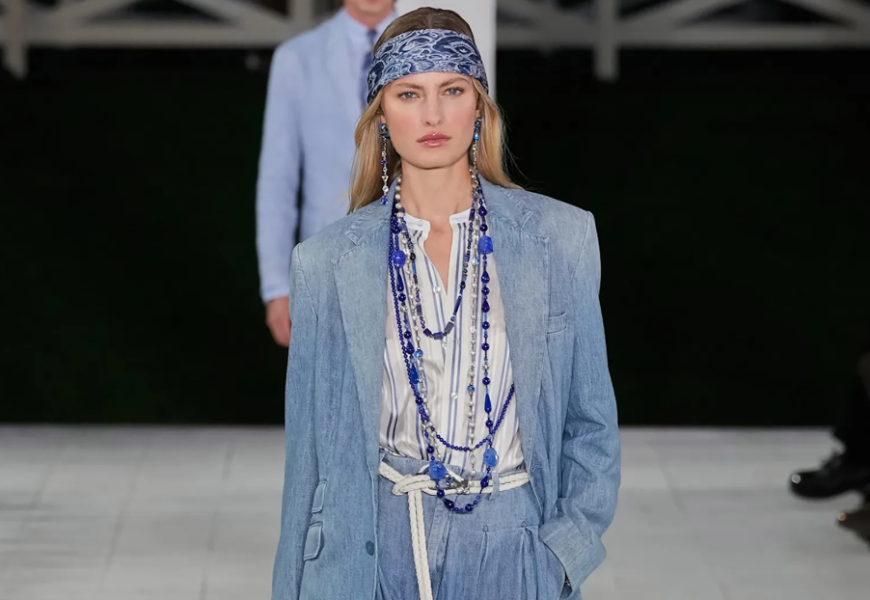
Today, denim is both a wardrobe essential and a designer favorite. It appears on high-fashion runways and in streetwear, worn by celebrities, influencers, and everyday individuals alike. From avant-garde patchwork creations to minimalistic Japanese raw denim, this fabric continues to inspire innovation.
As trends evolve, denim remains a cultural touchstone—a visual shorthand for freedom, resilience, and style. It has transcended its roots to become not just clothing, but a way of life.
Final Thoughts Denim’s journey from a failed textile experiment to a global fashion mainstay is nothing short of extraordinary. Its evolution mirrors societal changes, from industrialization to individual expression. Whether rugged workwear or high-end fashion, denim continues to redefine itself, proving that true style knows no bounds.
Want to Create Your Own Denim Line? If you’re inspired to launch your own denim collection, check out our guide: Working With Jeans Manufacturers To Create Your New Denim Collection. The next chapter in denim history could start with you.