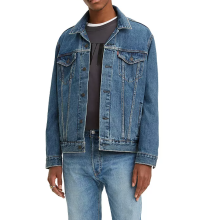
Denim is far more than just the material your favorite pair of jeans is made from—it’s a cultural icon, a durable workhorse of the fashion world, and a fabric with a fascinating backstory. Whether you’re a fashion enthusiast, a designer, or simply curious about what makes denim so timeless, this guide will walk you through everything you need to know: what denim is, how it’s made, its unique properties, and where it’s commonly used today.
What is Denim Fabric?
Denim is a sturdy cotton twill fabric known for its diagonal weave and rugged texture. Typically dyed with indigo, denim has a distinct appearance where the weft (horizontal threads) remain white and the warp (vertical threads) are dyed blue. This construction gives classic denim its characteristic faded look over time.
Originally created for laborers due to its toughness, denim has since evolved into a versatile fabric used in everything from high fashion to home décor.
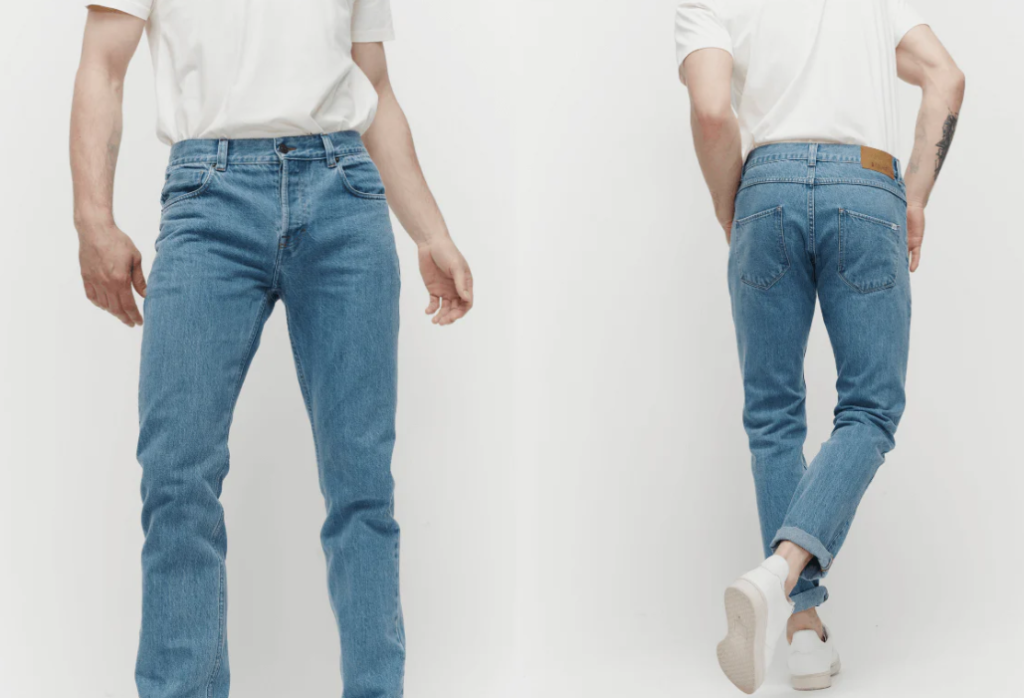
Key Properties of Denim Fabric
Denim is unique among cotton textiles for a number of reasons. Here are some of its most notable characteristics:
1. Durability
Denim’s twill weave makes it highly resistant to tears and abrasions, which is why it was originally used for workwear.
2. Breathability
Although dense, denim remains breathable thanks to its cotton base. This makes it ideal for a wide range of temperatures and climates.
3. Aging Gracefully
Unlike most fabrics, denim tends to look better with wear. It fades, softens, and molds to the wearer’s body, creating a personal patina over time.
4. Versatility
Denim can be manipulated into various weights, textures, and finishes—from raw selvedge to distressed, bleached, and even stretch blends.
5. Easy to Maintain
Denim is relatively low-maintenance. It can handle frequent wear and washing (though some prefer to wash it less to preserve its character).
How Is Denim Fabric Made?
The process of making denim combines traditional textile techniques with modern technology. Here’s a step-by-step breakdown:
1. Cotton Harvesting
The journey begins with cotton, usually grown in regions like the United States, India, and China. The cotton is harvested and cleaned to remove seeds and impurities.
2. Spinning the Yarn
Clean cotton fibers are carded and spun into yarn. This yarn forms the base threads used to weave the fabric.
3. Indigo Dyeing
The warp yarns are dyed using indigo, either from natural sources or, more commonly, synthetic dyes. These yarns are typically dipped multiple times to achieve the desired depth of color.
4. Weaving
Denim is woven using a twill weave, where the indigo-dyed warp threads pass over two or more undyed weft threads. This results in the distinctive diagonal pattern and white underside.
5. Finishing
After weaving, the denim may undergo additional treatments like sanforization (to reduce shrinkage), stone-washing, distressing, or chemical washes, depending on the desired final look.
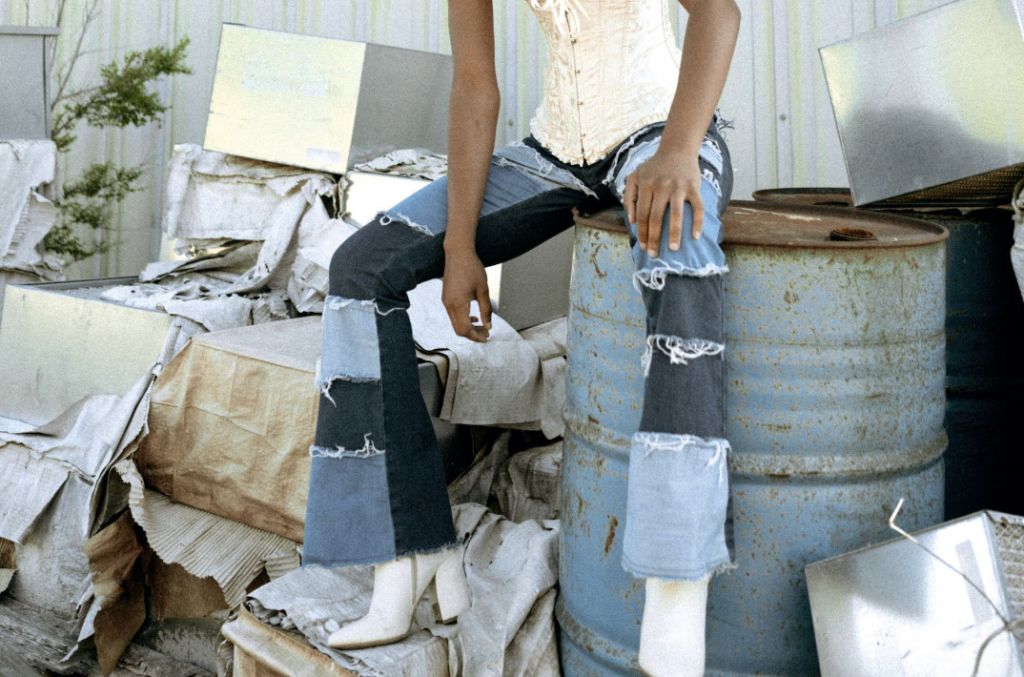
Where is Denim Made Today?
Denim is a global industry, with production taking place in many parts of the world. Some of the most significant players include:
- United States: Once the birthplace of denim jeans, U.S. brands like Levi’s and Cone Mills have kept American denim in the spotlight.
- Japan: Known for high-quality selvedge denim and meticulous craftsmanship, Japanese denim is considered a gold standard among enthusiasts.
- Italy: Italian mills offer premium denim with an emphasis on innovation and luxury.
- China, India & Bangladesh: These countries lead in mass production of denim, especially for fast fashion and global exports.
- Turkey & Pakistan: Growing hubs for high-quality, sustainable denim production.
Common Uses of Denim Fabric
Today, denim is used in a wide variety of applications beyond jeans. Some of the most popular include:
- Jeans (skinny, bootcut, flared, wide-leg, etc.)
- Jackets
- Skirts and Shorts
- Overalls and Dungarees
- Shirts
- Bags and Accessories
- Upholstery and Home Textiles (e.g., cushions, slipcovers)
Its global appeal and universal recognizability make denim a staple in wardrobes across every demographic.
Conclusion
Denim is more than just a fabric—it’s a testament to durability, adaptability, and timeless style. From cotton fields to fashion runways, denim continues to evolve while remaining firmly rooted in its utilitarian origins. Whether you wear it raw and rugged or sleek and tailored, denim is a reflection of personal style and cultural history wrapped into one remarkable material.